
Updated July 2026 · Links checked July 2026.
Alienware laptops cram desktop-class power into a thin chassis, and that one fact explains every heat problem you’ll ever have with one. When the CPU and GPU get too hot, the laptop does the sensible thing and throttles – it deliberately slows itself down to avoid damage. So “keeping it cool” isn’t really about comfort; it’s about keeping the performance you paid for.
The good news: most of the win comes from free software and airflow tweaks before you ever think about opening the laptop or buying anything. Work the fixes as a ladder – free first, cheap next, invasive last – and stop as soon as your temperatures are under control.
The short version
- Free first: set Alienware Command Center to Performance, clean the vents, use a hard flat surface.
- Cheap next: add a cooling pad to feed the bottom intakes.
- Advanced: undervolt for less heat at the same speed; repaste only as a last resort.
Here’s the ladder – start at the top and climb only as far as you need.
ElectroTalks · Cooling ladder
Alienware running hot? Work the ladder
Free fixes first, invasive ones last. Climb only until the temperatures behave.
Decider: free – set Performance mode and max fans first.
Decider: the intakes are on the bottom – never block them.
Decider: -80 to -120mV cuts heat at the same speed – reversible.
Decider: dried thermal paste – invasive and may affect warranty.
Why Alienware laptops run hot (and what throttling means)
An Alienware packs a powerful CPU and a dedicated GPU into a chassis a fraction of a desktop’s size, with far less room for fans and heatsinks. Under a heavy game or render, those chips dump a lot of heat into a small space. When a sensor crosses its limit, the system thermal throttles – it lowers clock speeds to bring the temperature down. That’s protective, not a defect, but it shows up as stutters and lower frame rates. Dell’s own Alienware thermal guide walks through measuring temperatures with the Command Center and SupportAssist if you want to confirm what yours is doing.
Start with airflow and the Command Center
Before spending anything, do the free things in order:
- Clear the vents. Dust in the exhaust grilles is the number-one cause of a slow temperature creep over the months. A few blasts of compressed air through the vents (laptop off) helps a lot.
- Use a hard, flat surface. The cooling intakes are on the bottom – a bed, couch or carpet smothers them. A desk or lap-desk fixes a surprising amount.
- Set the thermal mode. In the Alienware Command Center, choose the Performance thermal profile and turn fans up; Dell documents the per-model options in its Command Center thermal controls guide.
- Update BIOS and drivers. Thermal and fan behaviour is tuned in firmware; keeping the BIOS and graphics drivers current can genuinely lower temperatures.
The same “don’t trap the heat” principle applies to all your gear – it’s why we tell readers to give a TV breathing room in our guide to reducing heat from a TV.
Add a cooling pad
If software and surface tweaks aren’t enough, a laptop cooling pad is the cheapest hardware help. It lifts the laptop for better natural airflow and blows fresh air at the bottom intakes – usually worth a few degrees under load, which can be the difference between throttling and not. Even a simple stand that just elevates the rear helps.

Undervolt for less heat at the same speed
This is the enthusiast favourite because it lowers temperatures without losing performance. Undervolting tells the CPU to do the same work at a slightly lower voltage, so it produces less heat. On Intel chips the tool is ThrottleStop (Ryzen Master on AMD), and offsets around -80mV to -120mV are a common, generally safe starting range. It’s a software change and fully reversible, so it doesn’t physically alter the laptop – but test stability afterward, because too aggressive an undervolt can cause crashes. Note that heat is also hard on the battery over time, which is one cause behind a lithium-ion battery that won’t charge.
Repaste (the last resort)
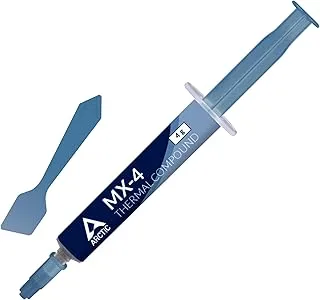
If a laptop is two or three years old and runs hot no matter what, the factory thermal paste between the chips and heatsink has likely dried out. Replacing it with fresh paste can drop temperatures significantly – but it means opening the laptop, it’s fiddly, and it may affect your warranty. If yours is still in warranty, let Dell service do it; the overheating and shutdown steps are covered in Dell’s Alienware overheating support article.
The bottom line
Most Alienware heat complaints are solved on the first two rungs – Command Center set to Performance, vents clean, and the laptop on a hard surface or cooling pad. Climb to undervolting if you want lower temps for free, and treat repasting as a job for an older machine or for Dell service. Keep it cool and you keep the frame rates. For more fixes across your gear, browse our electronics troubleshooting hub.
Alienware cooling FAQ
Why does my Alienware laptop get so hot?
It packs desktop-class CPU and GPU power into a thin chassis with limited room for cooling, so under heavy load it generates a lot of heat in a small space. That’s normal; the goal is to manage it so the laptop doesn’t throttle.
Is it bad if my Alienware thermal throttles?
Throttling itself is protective – it prevents damage by slowing the chips when they get too hot. It isn’t harmful, but you lose performance, which is why cooling it better restores speed.
Does a cooling pad actually help an Alienware?
Yes, usually a few degrees under load. It elevates the laptop and feeds cool air to the bottom intakes. It won’t transform a badly clogged or dried-out laptop, but it’s a cheap, effective first hardware step.
Is undervolting safe, and does it void the warranty?
Software undervolting with ThrottleStop or Ryzen Master is reversible and doesn’t physically modify the laptop, and most makers don’t treat it as a warranty issue. Test for stability after setting it, since too large an undervolt can cause crashes.
How do I control the fans on an Alienware?
Use the Alienware Command Center, which exposes thermal profiles (such as Performance) and fan behaviour per model. Setting Performance mode and raising fan speed is the simplest way to lower temperatures.
Should I repaste my Alienware laptop?
Only if it’s older and runs hot after the free fixes – dried thermal paste is the likely cause. It’s invasive and may affect your warranty, so if the laptop is still covered, have Dell service do it.
n