Best Stryker 10-Meter Radios: Top Picks (Licence Required)
Updated July 2026 · Links checked July 2026. Read this first — these are amateur radios, not CB radios. Stryker…
16 Jun 2026
CB radios, antennas and SWR tuning - compared by range, use case and what actually improves your signal.
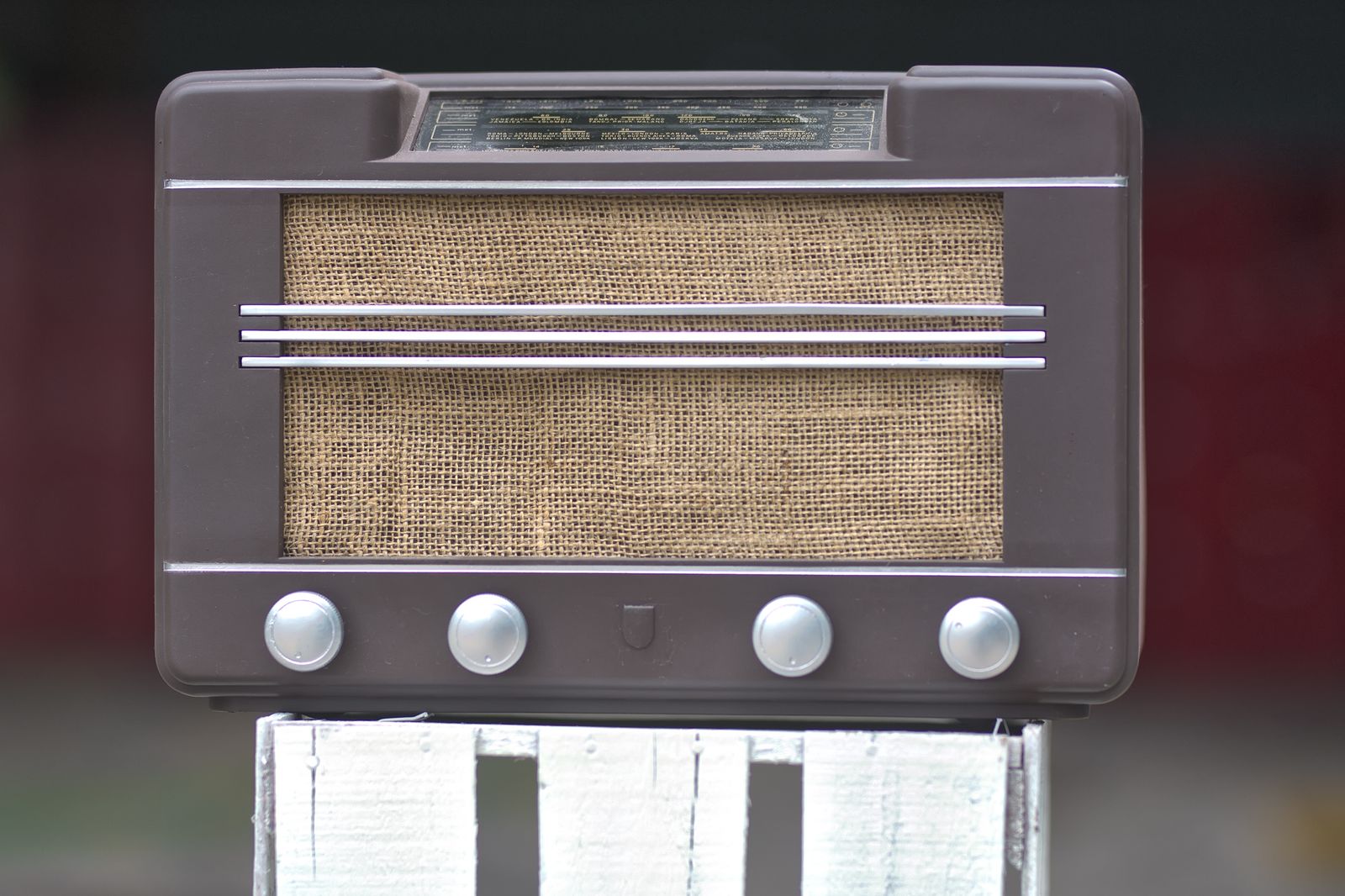
A CB setup lives or dies on one thing most buyers get backwards: the antenna matters more than the radio. A $40 radio on a tall, well-tuned, properly grounded antenna will reach further than a $300 radio on a cheap mag-mount. So before you shop models, decide how you’ll use it – and budget for the antenna and an SWR meter, not just the box.
The second decision is range. Standard AM is fine for trail rides and convoys; SSB (single sideband) gives you more usable power and cleaner long-distance contacts. Match the radio’s features to the distance you actually need, then tune the antenna to a low SWR so none of that performance leaks away.
The short version
Here’s the quick map – find how you’ll use it, then jump to the matching section below.
ElectroTalks · CB radio map
Your use case decides the radio and antenna. Tuning decides whether it actually performs.
Decider: SSB plus a 102″ whip or 4ft fibreglass, tuned under 1.5 SWR.
Decider: a flexible Firestik-style whip that survives branches.
Decider: SSB for reach plus a roof or pole-mounted base antenna.
Decider: convenience over range – the short rubber antenna limits you.
If you already know roughly what you want and just need to choose between specific models, start with the hands-on reviews. We cover the radios people actually buy – Galaxy, Uniden, Stryker, Midland and the budget Baofeng handhelds – and the head-to-head matchups that come up most.
The detail that decides most reviews is features versus noise floor: SSB, a decent noise blanker and a clear meter matter far more than a wall of flashing buttons. For popular comparisons see the Galaxy DX 949 and DX 959 reviews, the Uniden PRO510XL, and the Bearcat 980 SSB vs Cobra 29 showdown. Full set in the CB Radio Reviews hub.
Want the shortlist for a specific use case rather than a spec dump? This is where we name the best picks for trucks, RVs, motorcycles and 10-meter use, with the one reason each earns its spot.
The spec that decides a buy here is usually SSB and build quality for distance users, or size and mounting for tight cabs. See the best Stryker CB radio, the best 10-meter radio, the best motorcycle CB, and the best CB radio for an RV. Everything is gathered in the Best CB Radios hub.
This is the section to read first if range is your problem, because the antenna is where range is won or lost. Height, type and mounting location matter more than brand – a taller, well-placed antenna almost always beats a shorter premium one.
The deciding spec is antenna height and a solid mount: a full 102-inch whip performs best, while a quality 3 to 4 foot fibreglass whip is the practical compromise for most vehicles. Compare options with the best Firestik antenna and the Wilson 1000 vs 5000 matchup, and don’t skip how to ground a CB antenna. More in the CB Antennas hub.
Even the right radio and antenna will under-perform if they’re not tuned. After mounting, you check and adjust the SWR (standing wave ratio) – a measure of how well the antenna is matched to the radio. Aim for under 1.5:1; anything above about 2:1 risks damaging the radio and kills your range.
Grab an SWR meter, confirm a clean ground, and adjust the antenna length until the reading drops. Running more power down the line? See how to hook up a CB linear amp safely, and if you can’t hear over road noise, a good external speaker makes a surprising difference.
One honest caveat before you chase range. CB is a licence-free service the FCC caps at 4 watts AM and 12 watts PEP on SSB, and external linear amplifiers (“linears”) aren’t legal on CB (47 CFR Part 95 – the FCC also bars selling amps capable of CB operation). That’s not a technicality that spoils the hobby; it’s the whole reason this guide keeps pointing you at the antenna. SSB, a properly tuned antenna and a solid ground deliver the real-world range gains legally – more watts mostly buy you interference complaints and the risk of a citation. Spend on the antenna, not an amp.
Buying a CB is like buying a bike: people obsess over the frame (the radio) and ignore the wheels (the antenna), then wonder why it’s slow. Spend in the right order:
Get those three right and even a modest radio will impress. Get them wrong and the most expensive rig on the shelf will still sound weak.
If you’re new, start with a mounted radio, a 3 to 4 foot fibreglass antenna and an SWR meter – that covers most drivers well. If range is your goal, step up to an SSB radio and the tallest antenna your vehicle can carry. Either way, read the antennas and tuning sections before the radio reviews; that’s the order that actually decides how far you’ll reach. Remember: range comes from a tuned antenna and SSB, not more watts – CB is capped at 4 W AM / 12 W PEP SSB, and linear amps aren’t legal on the band.
Updated July 2026 · Links checked July 2026. Read this first — these are amateur radios, not CB radios. Stryker…
Updated July 2026 · Links checked July 2026. An SWR (standing wave ratio) meter is the one tool that decides…
Updated July 2026 · Links checked July 2026. On a CB, the antenna – not the radio – decides how…
Updated July 2026 · Links checked July 2026. A CB radio earns its keep in an RV the moment the…
For range, yes. A well-tuned, properly grounded antenna will out-perform an expensive radio on a poor antenna every time. Spend on antenna height and quality first, then tune it with an SWR meter before worrying about the radio.
An SWR meter measures how well your antenna is matched to your radio. Tuning to a low SWR (ideally under 1.5:1) protects the radio from damage and gives you the best possible range. See our SWR meter guide to get started.
SSB (single sideband) gives you more usable power and cleaner long-distance contacts than standard AM. If you talk over long distances or want maximum range, get an SSB-capable radio; for short-range trail or convoy use, standard AM is fine.
Yes. A poor ground is one of the most common causes of high SWR and weak transmit, especially on vehicles with plastic or fibreglass panels. Our grounding guide walks through how to do it properly.
Taller is better for range, within reason. A full-size 102-inch whip performs best but is impractical on most vehicles; a quality 3 to 4 foot fibreglass antenna is the usual real-world compromise. Match the antenna type to your vehicle and tune it.
For casual, short-range use they are convenient and cheap, but their short rubber antennas limit range badly. For anything beyond a few miles, a mounted radio with a proper antenna is a big step up.