
Updated July 2026 · Links checked July 2026.
Sizing tool: our UPS runtime calculator shows exactly how long a given UPS will run your gear — with the real battery numbers.
A UPS has one job: keep your gear running for those few seconds or minutes when the mains drops. So a Cyberpower unit that shuts off the instant the power fails is failing at the only thing it’s for. Frustrating – but the cause is almost always one of four things, and three of them cost nothing to fix.
In order of how often they’re to blame: your devices are in the wrong outlets, the battery is worn out, you’re overloading the unit, or it simply hasn’t charged yet. Here’s how to tell which, and fix it.
The short version
- Everything dies instantly? Your gear may be in the surge-only outlets, not the battery-backup ones.
- UPS a few years old? The battery is worn out and can’t carry the load.
- Beeps then quits? You’re overloading it – unplug the non-essentials.
Match the symptom, then jump to the fix.
ElectroTalks · UPS shutdown map
Cyberpower cuts out when the power fails? Start here
Four causes, in order of likelihood. Match the clue, then act.
Decider: move gear to the “Battery + Surge” outlets, not the “Surge Only” ones.
Decider: SLA lasts 3-5 years; near the end, runtime collapses to seconds.
Decider: unplug the monitor/printer; keep the load under ~80% of the VA rating.
Decider: leave it plugged in 8-12 hours before testing.
Are your devices in the right outlets?
This is the cause people miss most, and it costs nothing. A Cyberpower UPS splits its outlets into two groups: “Battery Backup + Surge” and “Surge Protected Only.” Only the battery-backup group stays powered when the mains fails – the surge-only outlets go dead, exactly like a normal power strip. If your PC, modem or router is plugged into the surge-only side, it will drop the instant the power does, even with a perfectly healthy battery. Check the labels on the back of the unit and move your critical gear to the battery-backup outlets.
The battery is probably worn out
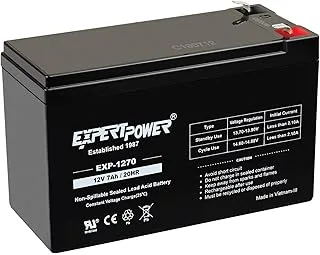
If the outlets are right and it still cuts out, the battery is the next suspect. The sealed lead-acid battery inside a Cyberpower UPS lasts about three to five years, and as it ages its runtime doesn’t fade gracefully – it collapses, often to a second or two, while the display may still claim it’s “charged.” Run the unit’s self-test (via the front panel or PowerPanel software); if it fails or the runtime is a fraction of new, replace the battery. This is the same wear behind a UPS battery that won’t charge, and our guide to telling when a UPS battery needs replacing covers the checks.
You’re asking it to carry too much
Every UPS has a capacity, rated in VA/watts, and if the connected load exceeds it the unit will beep and shut down the moment it switches to battery to protect itself – it can pass mains through fine, but it can’t supply that much from the battery. The fix is to lighten the load: take the monitor, laser printer or space heater off the UPS (a laser printer alone can exceed a small unit’s rating), and keep only what you truly need during an outage – the PC, modem and router. As a rule, keep the load under about 80% of the rating so there’s headroom.
Give a new or drained unit a full charge
A brand-new UPS, or one that’s been unplugged and stored, may have an empty battery even though it powers on. Leave it plugged into the wall for 8 to 12 hours before judging the runtime – the battery charges while the UPS sits idle. Only test it on battery once it’s had that full charge.
When the UPS itself is failing
If you’ve moved to the right outlets, fitted a fresh battery, and the load is light – and it still cuts out the moment the power fails – the unit’s electronics are the problem, and it should be retired. At that point a new UPS is the safer bet; see our picks for the best UPS for a home theater and, if you’re weighing options, the difference between a UPS and a plain battery. Cyberpower’s own UPS support FAQ has model-specific guidance too. And if it won’t run your gear on battery at all, see our guide to a UPS that isn’t working on battery.
Cyberpower UPS shutdown FAQ
Why does my Cyberpower UPS turn off when the power goes out?
The four common causes are: your devices are plugged into the surge-only outlets instead of the battery-backup ones, the battery is worn out, the connected load exceeds the UPS capacity (overload), or the battery simply isn’t charged yet. Check the outlets first – it’s the most-missed cause.
Which outlets on a Cyberpower UPS provide battery backup?
Only the outlets labelled “Battery Backup + Surge” stay powered during an outage. The “Surge Protected Only” outlets go dead when the mains fails, just like a normal power strip, so move your critical gear to the battery side.
How do I know if my Cyberpower battery is bad?
Run the self-test from the front panel or PowerPanel software, and note the runtime. If it fails, or the unit only holds power for a second or two on battery, the sealed lead-acid battery is worn out – typically after three to five years – and needs replacing.
What does it mean when my Cyberpower UPS beeps and shuts off?
A rapid beep followed by shutdown on battery usually means overload – the connected devices draw more than the UPS can supply. Unplug high-draw items like a monitor or laser printer and keep the load under about 80% of the rating.
How long should I charge a new Cyberpower UPS?
Leave it plugged into the wall for 8 to 12 hours before relying on it. The battery charges while the unit sits idle, and testing it before then will show a short or zero runtime.
Is it worth replacing the battery or buying a new UPS?
If the unit is only a few years old, a replacement battery is the cheaper fix and restores full runtime. If it’s older or still cuts out with a new battery and a light load, the electronics are failing and a new UPS is the better buy.
n